Best Time to Visit the Taj Mahal: Weather, Seasons, Sunrise & Travel Tips
Planning a trip to India and wondering when to visit the Taj Mahal?
The answer depends on what matters most to you.
Do you want comfortable weather? Fewer crowds? The best photography conditions? A beautiful sunrise? Or perhaps the experience of seeing the Taj Mahal under moonlight?
For international travelers, choosing the right time can make a significant difference to your experience in Agra.
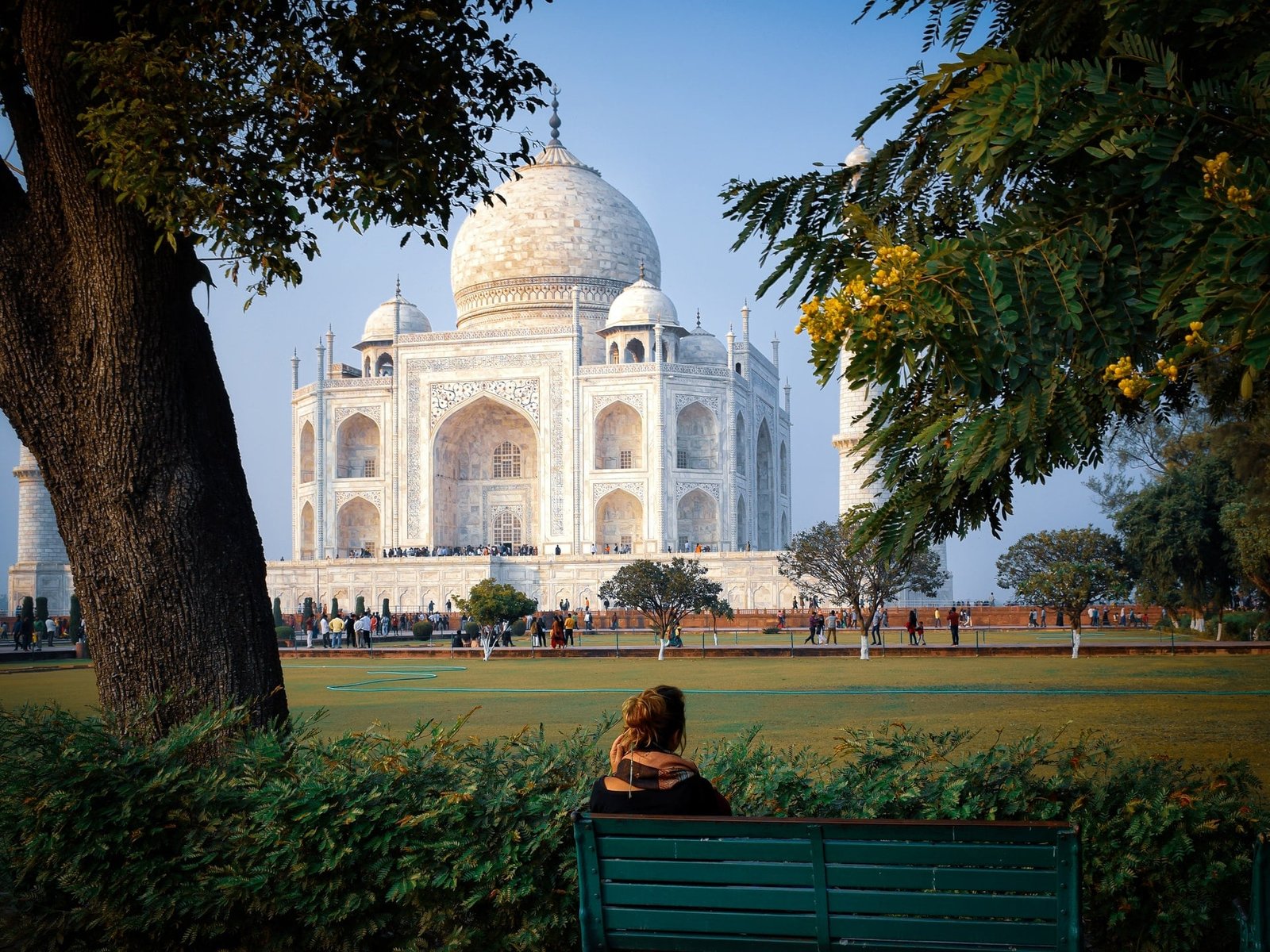
The Taj Mahal looks different throughout the day and across the seasons. Morning light can give the white marble a soft, warm appearance, while changing sunlight creates different shades and contrasts later in the day.
This guide explains the best time to visit the Taj Mahal, what to expect in each season, the best time of day for photography, and practical tips for travelers coming to Agra from overseas.
When Is the Best Time to Visit the Taj Mahal?
For most international travelers, October through March is a comfortable period to consider because temperatures are generally more pleasant than during the hottest months.
However, there is no single perfect month for everyone.
The best time depends on your priorities.
Best for Comfortable Weather
October to March is generally the most comfortable period for sightseeing in Agra.
Best for Cooler Weather
November to February can be pleasant for daytime exploration, although winter mornings can sometimes be foggy or hazy.
Best for Sunrise Photography
Early morning is one of the most popular times to see the Taj Mahal. The official Taj Mahal website also identifies sunrise as a preferred time for many visitors because of the early light, cooler conditions and potentially lighter crowds.
Best for Warm Evening Light
Late afternoon can provide beautiful changing light, although the exact appearance depends on the season and weather.
Best for Night Viewing
The Taj Mahal offers a separate night-viewing experience on the full moon night and the two nights before and two nights after it, subject to the applicable rules and availability. The official site currently lists night viewing from 8:00 p.m. to 11:59 p.m. in scheduled batches.
Always check the current official information before making plans because visitor arrangements can change.

October to March: A Popular Season for International Travelers
For many visitors from countries such as the United States, United Kingdom, Canada and Australia, the cooler part of the Indian year can be an attractive time to explore Agra.
During these months, sightseeing can be more comfortable than during the intense summer heat.
October can offer a transition into cooler conditions.
November through February generally provides more comfortable daytime temperatures, but early-morning fog or haze can occasionally affect visibility.
March begins the transition toward hotter weather.
If comfortable sightseeing is your priority, this period is worth considering.
November to February: Cooler, But Watch the Morning Fog
Winter is popular with travelers because temperatures can be more comfortable for walking around historic monuments.
However, there is an important consideration:
Fog and haze can sometimes affect early-morning visibility.
This matters particularly if your main reason for arriving at sunrise is photography.
A foggy morning can create a completely different atmosphere, but it may also temporarily obscure distant views of the monument.
If you are a photographer looking for crystal-clear conditions, weather can be more important than simply choosing a particular month.
March to June: Hotter Weather
Temperatures increase significantly as summer approaches.
March can still be manageable for sightseeing, but April, May and June can become very hot.
If you travel during this period, an early start becomes even more valuable.
Visiting the Taj Mahal early can help you avoid the strongest heat later in the day.
For travelers coming from cooler climates, particularly those who are not accustomed to North India's summer temperatures, planning outdoor sightseeing carefully is important.
Carry water where permitted, wear comfortable clothing, and avoid unnecessarily long periods in direct sunlight.
July to September: Monsoon Season
The monsoon season brings a different character to Agra.
Rainfall can make the weather more humid and unpredictable, but it can also create dramatic skies and fresh greenery around the city.
For photographers, changing clouds and light can produce interesting images.
The trade-off is that rain can affect outdoor plans.
If you travel during the monsoon, keep your itinerary flexible and check the weather forecast before heading out.
What Is the Best Time of Day to Visit the Taj Mahal?
Choosing the right time of day can be just as important as choosing the right season.
Sunrise: Best for Early-Morning Light
Sunrise is one of the most popular choices for visitors.
The official Taj Mahal FAQ specifically notes that sunrise is preferred by many tourists because of the early light, cooler conditions and the possibility of avoiding some of the heat and crowds.
For photographers, the changing morning light can create beautiful tones across the marble.
If photography is your priority, arriving early is worth considering.
Morning: Best for Comfortable Sightseeing
If you do not want to arrive at sunrise, the morning can still be an excellent choice.
Temperatures are generally more comfortable than later in the day, particularly during warmer seasons.
Morning also gives you plenty of time to continue exploring Agra afterward.
Afternoon: Convenient for Some Itineraries
Afternoon visits can work well for travelers whose schedules do not allow an early start.
However, during hot months, the afternoon can be considerably warmer.
If you are visiting in summer, an early morning is generally more comfortable.
Late Afternoon: Beautiful Changing Light
As the sun begins to move lower, the appearance of the white marble changes.
This can create attractive photographic conditions.
However, always plan around the monument's official visiting hours rather than assuming you can stay until sunset.
What Are the Taj Mahal's Visiting Hours?
The official Taj Mahal website currently states that the monument is open 30 minutes before sunrise until 30 minutes before sunset on normal visiting days.
The Taj Mahal is closed to general visitors on Fridays.
This is especially important for international travelers planning an itinerary several weeks or months in advance.
If your travel schedule is flexible, avoid putting your main Taj Mahal visit on Friday.
Check the official visitor information again shortly before your trip for the latest arrangements.
What About Taj Mahal Night Viewing?
Night viewing is a special experience and is separate from normal daytime entry.
The official Taj Mahal website currently states that night viewing is available on five nights around the full moon: the full moon night, two nights before, and two nights after. It also states that viewing takes place in scheduled 30-minute batches.
Night viewing is subject to specific rules and ticket arrangements.
It is also currently listed as unavailable on Fridays and during Ramadan, according to the official night-viewing information.
If seeing the Taj Mahal at night is important to you, verify the latest schedule and ticket availability before building your itinerary around it.
Best Time to Visit the Taj Mahal for Photography
If photography is your main goal, consider three factors:
1. Light
Early morning and late afternoon provide changing natural light that can give the marble different tones.
2. Weather
Clear skies can provide sharper views, while haze, fog, clouds or rain can dramatically change the mood.
3. Crowds
Earlier visits can sometimes provide a more comfortable photography experience.
Remember that photography rules apply inside the monument. The official Taj Mahal guidance states that photography is prohibited inside the main mausoleum.

Planning a Taj Mahal Trip from Delhi?
Many international travelers stay in Delhi before visiting Agra.
If you have only one free day, a Delhi-to-Agra day trip can be a practical option.
You can leave Delhi early, visit the Taj Mahal, explore Agra Fort, have lunch and return to Delhi later in the day.
If you are considering this option, this Taj Mahal day trip from Delhi guide for international travelers ⟶ explains how to plan the journey and make better use of your time.
The most important thing is to keep the itinerary realistic.
Do not try to visit every attraction in Agra in a single day.
The Taj Mahal and Agra Fort can already provide a rewarding introduction to the city's Mughal heritage.
Best Time for a Delhi to Agra Day Trip
If you are traveling from Delhi, an early departure can be especially useful.
It gives you more time in Agra and can allow you to experience the Taj Mahal during the cooler part of the day.
For international visitors unfamiliar with the Delhi–Agra route, planning transportation in advance can also reduce uncertainty.
This Delhi to Agra travel itinerary for overseas visitors ⟶ can help you understand how a one-day visit can fit into a wider India itinerary.
Practical Tips for International Travelers
Check the Day of Your Visit
The Taj Mahal is currently closed for general viewing on Fridays.
Check your itinerary before booking transportation or accommodation.
Check Current Ticket Information
Ticket prices and procedures can change.
Use current official information when planning your visit rather than relying on old travel blogs.
Carry Identification
The official Taj Mahal information advises visitors to carry government-issued identity proof.
Travel Light
Large bags can slow down security checks, and several items are restricted inside the monument. The official guidance advises visitors to avoid carrying large bags and lists prohibited items.
Check Photography Rules
Photography is not permitted inside the main mausoleum.
Check the Weather
Weather can affect visibility, comfort and photography.
A quick forecast check before leaving your hotel can help you decide what to expect.
Leave Time for Agra
Do not treat Agra simply as a place where you take one photograph and immediately leave.
The city has a rich Mughal heritage and several historic attractions.
What Is the Best Month to Visit the Taj Mahal?
If you want a simple answer:
For many international travelers, November through February can offer a comfortable sightseeing experience, while October and March can also be attractive depending on weather conditions.
But there is no universally perfect month.
A photographer may choose a different time from a family traveler.
Someone who dislikes heat may prioritize winter.
Someone seeking dramatic skies may prefer the monsoon.
Your ideal time depends on what you want from the experience.
What Is the Best Time to Visit the Taj Mahal?
If you want the shortest possible answer:
Visit early in the day, particularly during the cooler months, if you want comfortable sightseeing and good morning light.
But don't ignore the weather.
A beautiful sunrise depends on the actual conditions that morning.
The Taj Mahal's appearance changes with light, atmosphere and season, which is part of what makes returning visitors experience it differently.
Make Your Taj Mahal Visit Part of a Bigger India Journey
For international travelers, Agra is often more than a single attraction.
It can form part of India's Golden Triangle — Delhi, Agra and Jaipur ⟶.
That makes timing particularly important.
A well-planned Agra visit can fit naturally between your time in Delhi and your onward journey to Jaipur.
If you have limited time, a same-day trip from Delhi may be appropriate.
If you have more time, an overnight stay can give you a slower experience of Agra.
The best itinerary is the one that matches your travel style rather than trying to copy someone else's schedule.
Final Advice: Choose the Time That Fits Your Journey
There is no single answer to the question, “When is the best time to visit the Taj Mahal?”
For comfortable weather, many travelers prefer the cooler months.
For sunrise photography, arrive early.
For summer travel, avoid the strongest midday heat.
For monsoon travel, prepare for changing weather.
For night viewing, plan around the official full-moon schedule and current ticket availability.
And if you are traveling from Delhi, plan your transportation and sightseeing schedule before the day begins.
For travelers who want to visit Agra in one day, this Delhi to Agra Taj Mahal day tour planning guide ⟶ can help you organize the practical side of the journey.
The Taj Mahal is one of those rare places where the experience can change with every hour.
Choose your season. Choose your light. Plan your journey — and give yourself enough time to simply stand in front of the Taj Mahal and take it in.


